 Wittmann AZ
Emergency Plumbing Leak Repair in Wittmann: Find the Source Before It Spreads
A leak is not always wet. Often it shows up first as a strange water bill, a sound behind a wall or a damp smell in a closet. Call the dispatch line and describe what you notice.
CALL (623) 323-3182ALL SERVICES- Licensed and insured plumbers
- Same-day service when available
- 24/7 emergency dispatch
A leak does not have to be wet to be real
Most people expect a leak to look like a puddle. Hidden ones rarely do. Water can escape inside a wall, under a floor or in the yard between the meter and the house. It may run for months with nothing on the surface. The first evidence is a number: the monthly water bill, or a meter dial that turns while everything is shut off.
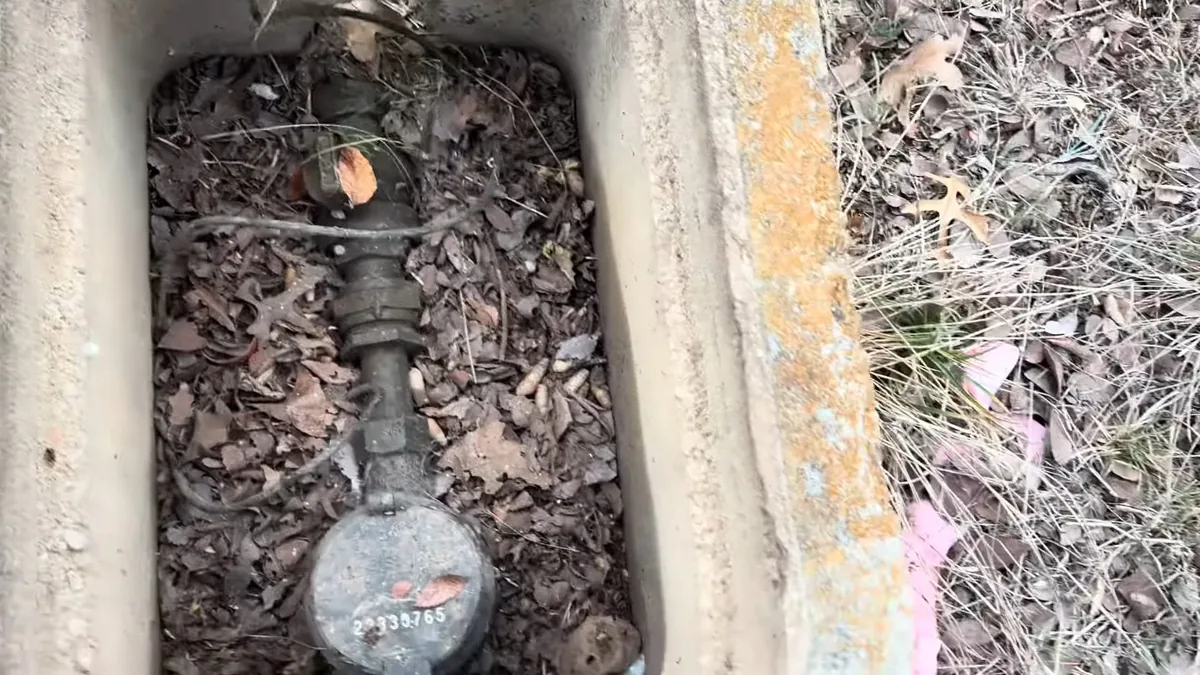
That is why the first useful step is a check you can do yourself. Turn off every tap, the dishwasher, the washer and the ice maker. Look at the meter. If the dial or the small triangle is still moving, water is leaving the pipes somewhere. It does not say where, and that is the job of the search described below.
Signs that point to a leak you cannot see
- A water bill that creeps up with no change in how the household uses water.
- The sound of running water when every fixture is off.
- A warm spot on a floor, or carpet that feels damp near an interior wall.
- Paint that bubbles, drywall that feels soft or a ceiling stain that grows.
- A musty smell that stays after cleaning, or humidity that hides leaks by making the whole room feel damp.
- Low water pressure at one end of the house.
Safety first. If water is near outlets, a panel or a light fixture, do not touch them. For a major water leak, such as a burst line, close the main water valve first. Leave the breaker alone unless you can reach a dry panel without stepping through water. Then call dispatch.
Wittmann leak location: how a plumber finds the exact spot
The plumber's first job is to locate a leak, and that is a process of narrowing down. The order matters. The plumber starts with the meter test. It shows whether the leak is on the street side, on the house line or inside the house. Next comes a pressure check, where the line is isolated and held under pressure to see whether it loses it. Only then does the search move to the specific wall, floor or yard section.
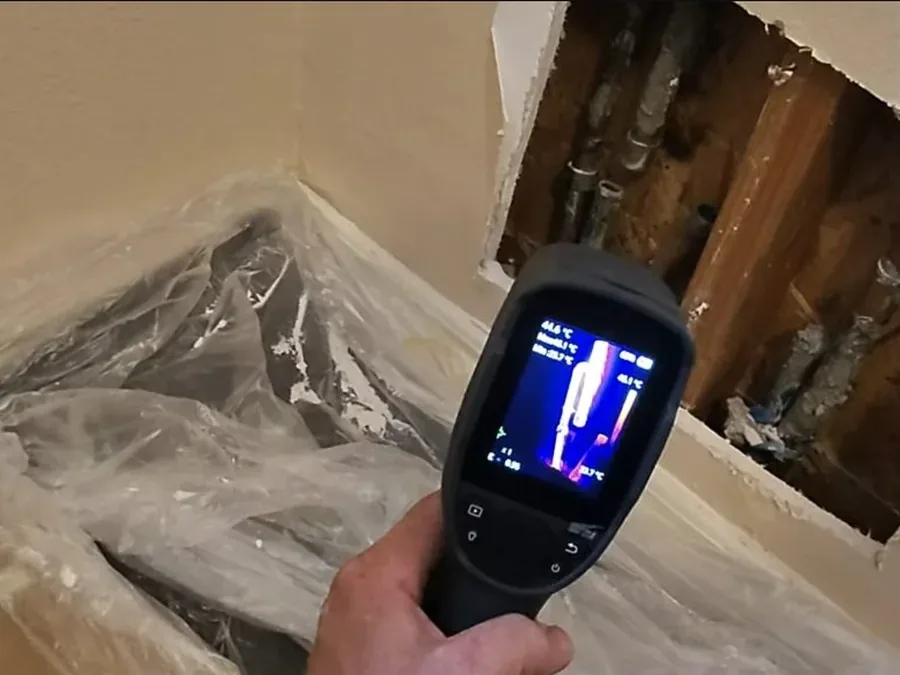
For the last step, plumbers use instruments instead of guesses. Acoustic listening gear picks up the hiss or drip that a leaking pressurized pipe makes through a wall or slab. Electronic and thermal tools show a cold or warm line where hot or cold water is escaping. Infrared imaging shows the same difference on a camera screen. A tracer gas such as helium can find a leak in a line that makes no sound. Hydrostatic testing proves that a line is tight or leaking before anything is cut open. Residential leak detection follows this order in any house, and the goal is precise leak location: a mark on the floor that says dig here, not a hole the size of a doormat.
Ask what the plumber will use and what they expect to find before the visit starts. A good answer names the method for your situation. If the leak is in a wall, the plumber should be able to say how large the opening will be. If it is in the yard, the answer includes who calls 811 before digging. Arizona law requires that call, and it marks buried utility lines before a shovel touches the ground.
Your first question during the visit is simple: which side of the meter is this? A leak between the meter and the house is the homeowner's line. A leak on the street side belongs to the utility. Your bill shows who supplies your water. That matters in Wittmann, where some homes are on a public system and others rely on a private well. Check the bill before assuming which one applies to your address.
Leak repair in Wittmann once the source is marked
Once the leak is located, the repair depends on the pipe and its condition. A fitting that has loosened is the simplest case, since the plumber can tighten or replace it. A pinhole in a copper line can be cut out and replaced with a new section. A line that has failed in several places is a different decision, because patching it will only move the failure down the pipe. In that case a plumber may recommend replacing the run, which is covered on the repiping page.
Expect the plumber to explain three things before work begins. What failed? What must be opened to reach it? What happens afterward to the wall or floor? Plumbers repair pipes, not drywall, paint or flooring, so plan for a second trade if the opening is larger than a small patch. If water has soaked the structure, drying comes before closing anything up, and water extraction and drying is its own service.
Fix the source first. Drying a room while the pipe still leaks only resets the clock.
Found a wet spot or a strange bill? Call before it grows.
The dispatcher confirms your address and sends the visit that fits.
Toilet, faucet and shower leaks you can check yourself
Plenty of leaks are small and sit in plain sight. Catch small leaks early and they stay small. A toilet that runs on after flushing is a fixture leak. So is a faucet that drips from the spout or the base, and so is a shower valve that leaks into the wall. They waste more water than most people expect, and they cost the least to fix when caught early.
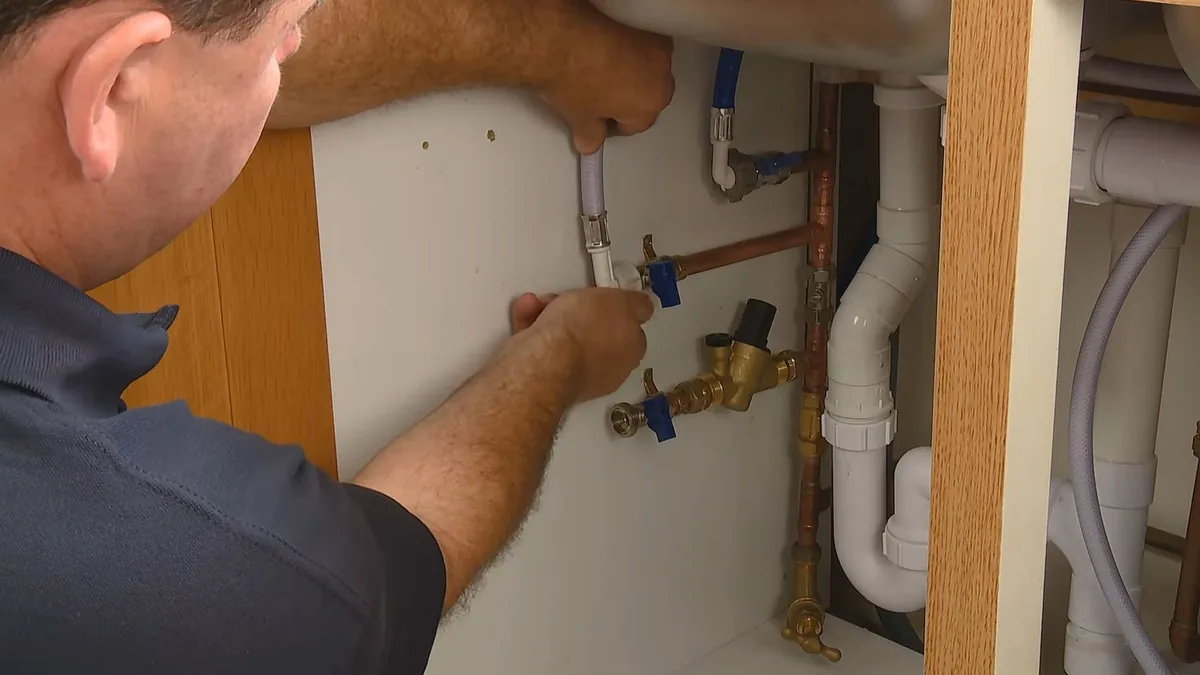
Appliance leaks from a washer hose, an ice maker line or a dishwasher supply are fixture leaks too, so check the hoses behind each machine. A quick test for silent toilet leaks: drop a few drops of food coloring into the tank, wait fifteen minutes without flushing and look in the bowl. Color in the bowl means the flapper is leaking into it. For a faucet, dry the base and run a paper towel around it to see where the moisture comes from. A drip from the spout is usually a worn cartridge or washer. A drip from the base is a seal. Under a sink, feel the supply lines and the shutoff valves with a dry hand. If you find moisture there, the fix is a new supply line or valve, not a bigger bucket.
Sometimes the leak is inside the shower wall, around a tub spout or behind a toilet base. Then the water has already found a path you cannot see. Treat that as a hidden leak and stop using the fixture until it is checked.
What an ignored leak does to a house
Ignoring small leaks is the usual start of a large repair. A slow drip behind a wall wets the drywall, then the framing, then the insulation. Structural damage from prolonged leaks takes months, and it is quiet. By the time the surface shows a stain, the damage behind it is wider than the stain.
Leaky ceilings causing water stains are the visible end of that process, and a hidden leak that reduces pressure is the invisible one. If the shower has lost force at one end of the house, a line may be leaking before it gets there. Damage caused by ignoring leaks also includes mold, warped flooring and a water bill that keeps climbing.
Warning signs of hidden leaks are listed above. If you want an early warning, a smart leak detection device on the main line can watch flow and alert you when water runs at odd hours. It does not find the leak, but it tells you one exists. For suspected leaks in a slab, a wall or the yard, a plumber's listening tools or sonar-style acoustic gear find the spot.
Underground and under-house leaks: confirm what you have first
Where a hidden leak sits depends on how the house was built, and in Wittmann that is not something this page can assume. Foundation type and pipe material vary from one property to the next. Look in the paperwork from your purchase, or ask the plumber to tell you what the house sits on before talking about methods. A concrete slab, a raised foundation and a manufactured base each have different leak paths and repair routes.
| Where the leak sits | What it often looks like | First check |
|---|---|---|
| Between the meter and the house | Wet patch or soft ground in the yard, meter turns with the house shut off | Close the main at the house and watch the meter again |
| Inside a wall | Stain, soft drywall, sound of running water | Check the wall near the nearest fixture, mark the stain edge with a pencil |
| Under a concrete floor | Warm floor spot, hot water running out faster than usual | Call a plumber before cutting anything; see slab leak detection |
| Under a raised floor, crawlspace or basement | Musty smell, sagging insulation, damp soil | Look from the access panel with a flashlight, wearing gloves |
Pipes in the yard also have a boundary. Irrigation and sprinkler lines are a separate trade. A plumber can tell you if the water comes from that side and who to call next.
A pipe condition check after any leak
A leak is often the first visible sign of a bigger pattern. When one section has failed, ask the plumber to check the pipe on both sides of the break. Ask about the shutoff valves and supply lines nearby too. Corrosion, mineral scale on the outside of a fitting or a green crust on copper point to a line near the end of its life. A short inspection beats a second leak six months later. The plumber can tell you whether this repair is a one-off or the first of several.
Ask for leak location documentation in plain terms: photos, a mark on the wall or floor and a list of what was tight, what was weak and what has not been checked. Add your leak history, such as earlier repairs at the same spot. That list is also useful if you sell the house or if an insurer asks about the cause of loss. Insurance coverage for leaks and the damage they cause depends on the policy. Call your insurer before you throw away damaged materials, and keep the dates of every call.
Two more reasons to call sooner than later: pressure problems and meter surprises. A failed pressure regulator can stress every joint in the house. A meter that spins at night is a leak even if you cannot find it. Both are worth a phone call to dispatch rather than a week of guessing.
Not sure it is a leak? Describe it to the dispatcher.
Tell them what you hear, see or read on the meter.
Four leak questions, answered plainly
What does a leak search involve when the water might be coming from the sprinkler system?
Picture a yard with a wet patch and a house that shows no stain. The plumber first closes the valve that feeds the sprinkler lines and watches the meter. If the meter keeps turning, the leak is on the house side of that valve. If it stops, the water was going to the irrigation lines. Irrigation work is a separate trade. A plumber can tell you which side the leak is on, then point you to an irrigation contractor for the repair.
Why can a leak visit cost something even when the plumber does not find a leak?
Ruling out the house is a real result. It tells you the water is going elsewhere, such as a toilet flapper, an irrigation line or the street side of the meter. The time on site and the equipment are the same either way. Ask the dispatcher before the visit what the diagnostic covers and what happens if nothing is found. That conversation takes two minutes and avoids a surprise afterward.
What happens if I wait on a pipe that is leaking into the ceiling below?
Waiting rarely helps. The first sign is a brown stain on the ceiling drywall. Then the paint bubbles, the board softens, and insulation above it holds water against the framing. Mold needs a damp surface to start, and a soaked ceiling provides one. Close the main valve, put a bucket under the drip and call. If the ceiling sags, stay out from under it and tell the dispatcher so the visit is set up for water removal as well.
Why does a ceiling leak in the attic keep coming back?
There are two usual reasons, and they call for different fixes. A repaired joint can fail again if the pipe on either side is thin or corroded. The repair then holds only until the next weak spot lets go. Or the water is not from the pipe at all, and a condensation drip or a roof leak is feeding the same stain. If the plumber can show you the pipe wall at the failed joint, replacing a section beats patching it a second time.
If the leak turns out to be somewhere else
If the water is escaping from a buried line between the meter and the house, the yard line repair page covers that case. A dripping faucet or a toilet that runs on belongs with fixture repair. Drain-side problems are on the drain cleaning page, and the water heater, another common source of wet floors, is on water heater leak repair.
Whether a visit fits today depends on the schedule, and the homepage covers how emergency plumber dispatch works for the whole area. What a visit costs depends on where the leak is and what the repair involves. The quote factors page explains what moves a quote up or down.
The dispatcher can take your address, your description and your best callback number, and match the visit to the problem. Call (623) 323-3182 at any hour.
Ready to find it? Call the dispatch line.
Day or night, the line is answered.
- Licensed and insured plumbers
- Same-day service when available
- 24/7 emergency dispatch
- Licensed and insured plumbers
- Same-day service when available
- 24/7 emergency dispatch