 Wittmann AZ
Emergency Gas Line Service in Wittmann: Install, Repair and Leaks
If you smell gas, leave first and call from outside. For installs, repairs and appliance hookups, call the dispatch line.
CALL (623) 323-3182ALL SERVICES- Licensed and insured plumbers
- Same-day service when available
- 24/7 emergency dispatch
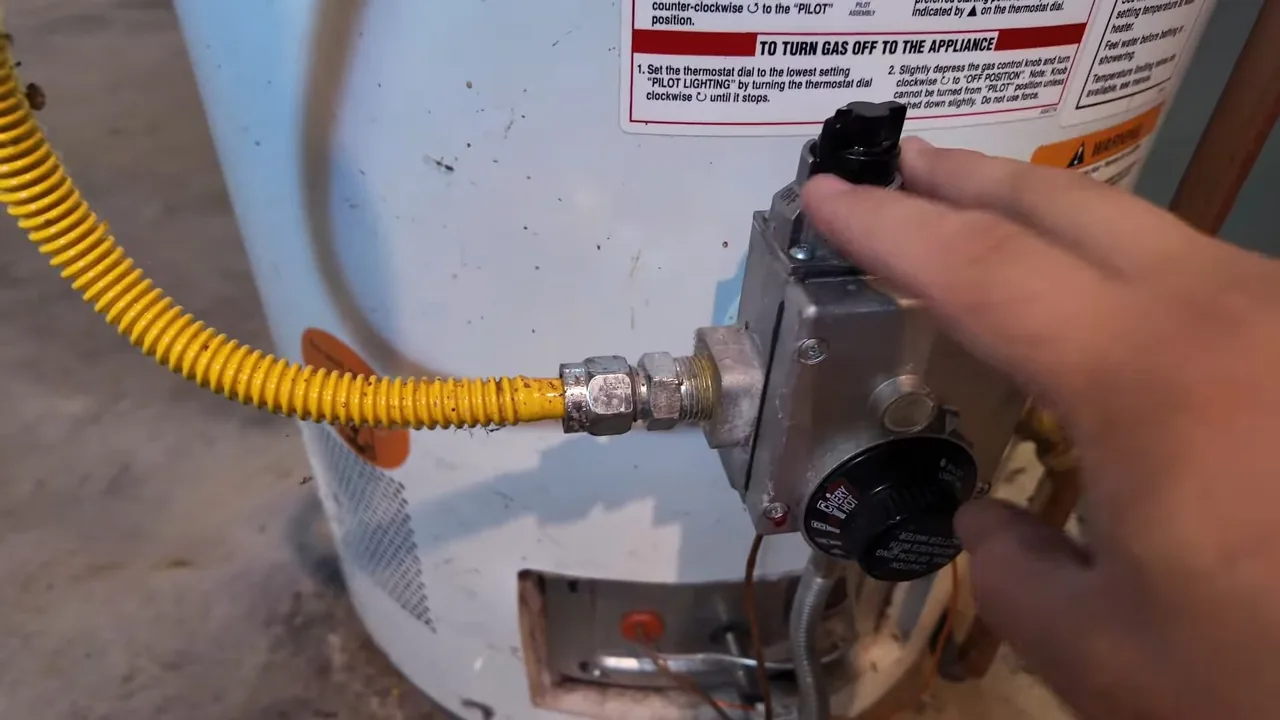
If you smell gas: what to do first
A gas odor is not a repair question until everyone is safe. Leave the building at once and take everyone, including pets. Do not flip switches, use a phone inside, start a vehicle in an attached garage or light anything.
From outside, call 911 if the smell is strong, then your gas supplier's emergency line. Once the supplier has made the area safe, a plumber can find the source and repair it. Do not go back in to look for the leak yourself.
Do not wait. Natural gas and propane both burn and explode. A faint smell still counts. Leave first, call second.
- A rotten-egg smell near an appliance or line.
- A hissing sound near a pipe or connector.
- Dead patches of grass over a buried line.
- A pilot light that keeps going out.
- A burner flame that burns yellow or orange instead of blue.
Gas line installation: what the job involves
A new line starts with a plan. The plumber confirms what fuel you have, finds the supply point and sizes the pipe for the total load of every appliance on it. Range, dryer, water heater, fireplace, grill and generator all add to that load.
If the run crosses a yard, the trench needs a call to Arizona 811 first so buried utilities are marked. Permit rules matter for gas work. In unincorporated Wittmann the county typically issues permits, so have the plumber confirm what applies. After the work, the line is pressure tested before gas flows.
| Appliance | Why it matters for the line | Ask the plumber |
|---|---|---|
| Range or cooktop | Needs a shutoff and a flexible connector | Is the connector rated and in good shape? |
| Dryer | Needs its own shutoff and a vented path | Is the vent clear? |
| Fireplace or fire pit | Often needs its own supply line | Is the pipe sized for the load? |
| Grill or generator | May need an outdoor stub-out | Where does the line run and how is it protected? |
Planning a gas line or appliance hookup? Call dispatch.
Say what fuel you have and what you want connected.
Gas line repair: finding and fixing the source
Gas repair begins with a test, not a guess. The plumber isolates sections of the line and checks each joint and connector for leaks with approved methods. Many leaks are at fittings and flexible connectors rather than in the pipe itself.
When the pipe has corroded or been damaged, the failed section is replaced. Black iron pipe is common indoors. Corrugated stainless tubing, called CSST, is another material and has its own bonding and installation rules. The plumber matches the repair to the material and the code.
After repair, the line is tested again before it is put back in service. Ask for the test result and for any shutoff the plumber adds or replaces.
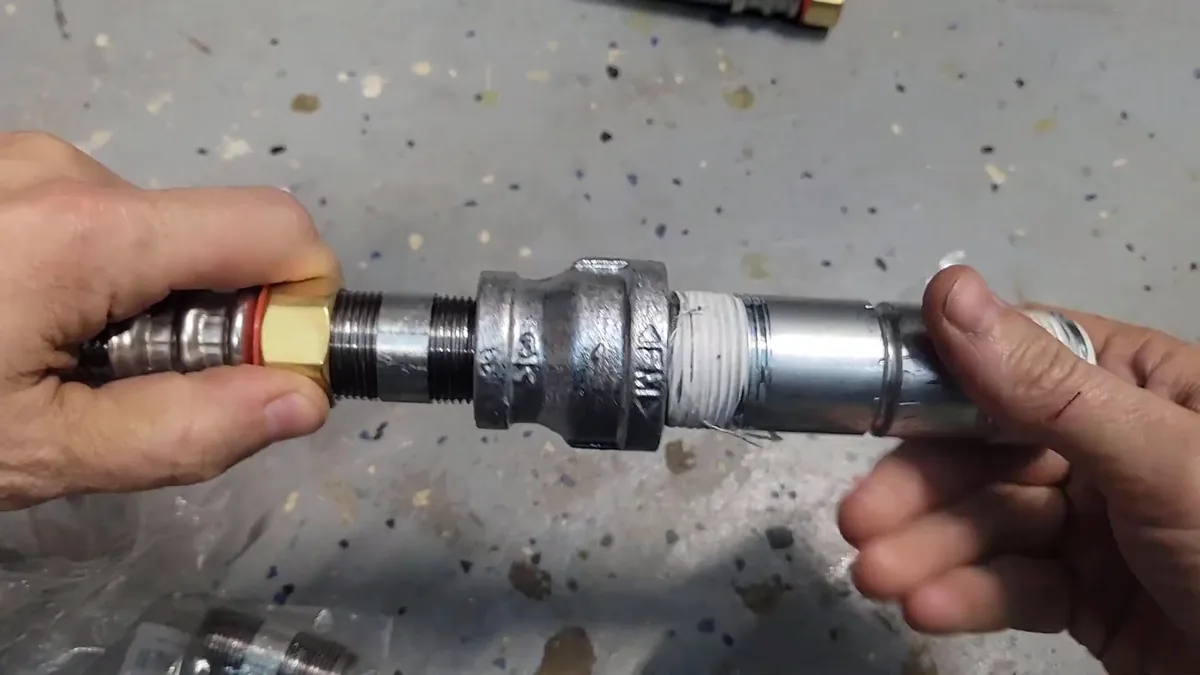
Replacing old gas pipe: black iron and CSST
Old pipe is not always a problem, but corrosion, damage or a failed test can make replacement the safer path. Replacement can be a short section at an appliance or a longer run through the house.
Propane and natural gas systems differ in pressure and in pipe sizing. Do not assume which one you have. Your bills or the tank on the property show it. A change of appliance, such as a new water heater, may also change what the line must carry. See water heater installation and tankless water heater service for how that connects.
Inspection before a sale or after a repair gives you a record of the line's condition. What a gas job costs depends on the length, the pipe and the permit. The pricing guide explains which parts of a job drive the quote.
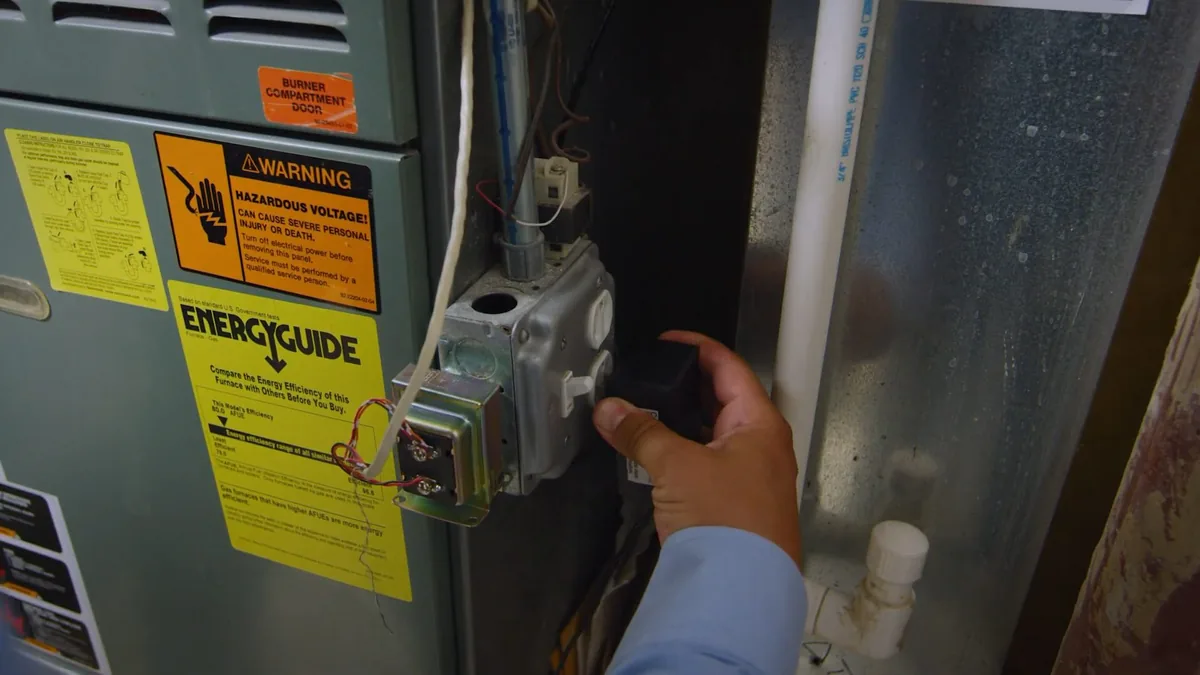
Gas line inspection and pressure testing
A pressure test answers one question: does the line hold? The plumber closes off the line, applies a set test pressure and watches a gauge. A drop means a leak somewhere. A steady reading over the test period means the line is tight at that pressure.
Testing is used before a new line goes into service, after a repair and when a home changes hands. It is also the right step after remodeling, when walls were opened near gas pipe. Ask what test pressure was used, how long it held and whether the plumber will give you the result in writing.
What a visual check adds
Beyond the gauge, the plumber looks at the pipe itself. Rust, flaking paint, loose supports and bent connectors all show up. Outdoor lines are checked at the meter, at the regulator and at each stub-out. Look at every appliance shutoff too, since a valve that sticks is a problem when you need it most.
Keep the record. If a leak ever happens, a dated test result helps show what was done and when.
Propane or natural gas: confirm before you plan
Many rural homes run on propane from a tank, while others have natural gas from a utility line. The two use different pressures and different regulators, and appliances are set up for one or the other. Converting an appliance is a specific procedure, not a switch you flip.
Check your bills to see who supplies your fuel and whether the tank is owned or leased. If a tank is leased, the supplier may have rules about who works on the line from the tank to the house. Ask before you hire anyone, and ask the plumber to work within those rules.
A propane tank also needs clearances from the house, from openings and from ignition sources. The supplier or the local authority sets these, so do not move a tank yourself. If a line runs from the tank to the house, ask the plumber how deep it is buried and how it is protected.
Gas appliance or line needs work? Call the dispatch line.
Ask about the soonest visit that fits.
Four gas line questions, answered
Who runs a gas line to a house?
A plumber qualified for gas work runs the line from the supply point to the house, once the supplier confirms service. Whether your address has natural gas or uses propane tanks matters. Check your bills first, and ask the plumber to confirm who owns each section of the line.
Do I need a plumber if I think I have a gas leak?
First, leave the building and call from outside. Do not turn on lights, use a lighter or start a car in the garage. Call your gas supplier's emergency number or 911 if the smell is strong. After the supplier makes the area safe, a plumber finds and repairs the leak.
Does a new water heater need a new gas pipe?
In some homes, yes. If the new unit draws more gas than the old one, the pipe size or the connector may need to change. A plumber checks the load against the line size before installing. This matters most when switching from a tank to a tankless unit.
What does a gas line inspection or pressure test cover?
The plumber checks pipes, joints and appliance connections for leaks and holds the line under test pressure to see whether it drops. The test is done before a new line is put into use and after major repairs. Ask for the result in writing.
Gas line service in Wittmann? Call dispatch.
Day or night, someone answers.
- Licensed and insured plumbers
- Same-day service when available
- 24/7 emergency dispatch
- Licensed and insured plumbers
- Same-day service when available
- 24/7 emergency dispatch