 Wittmann AZ
Clogged Drain in Wittmann? Cleaning, Snaking and Hydro Jetting Explained
When you call about a clog, the dispatcher asks which fixture is stuck, whether anything else is slow and whether water is on the floor. The answers decide which visit is sent.
CALL (623) 323-3182ALL SERVICES- Licensed and insured plumbers
- Same-day service when available
- 24/7 emergency dispatch
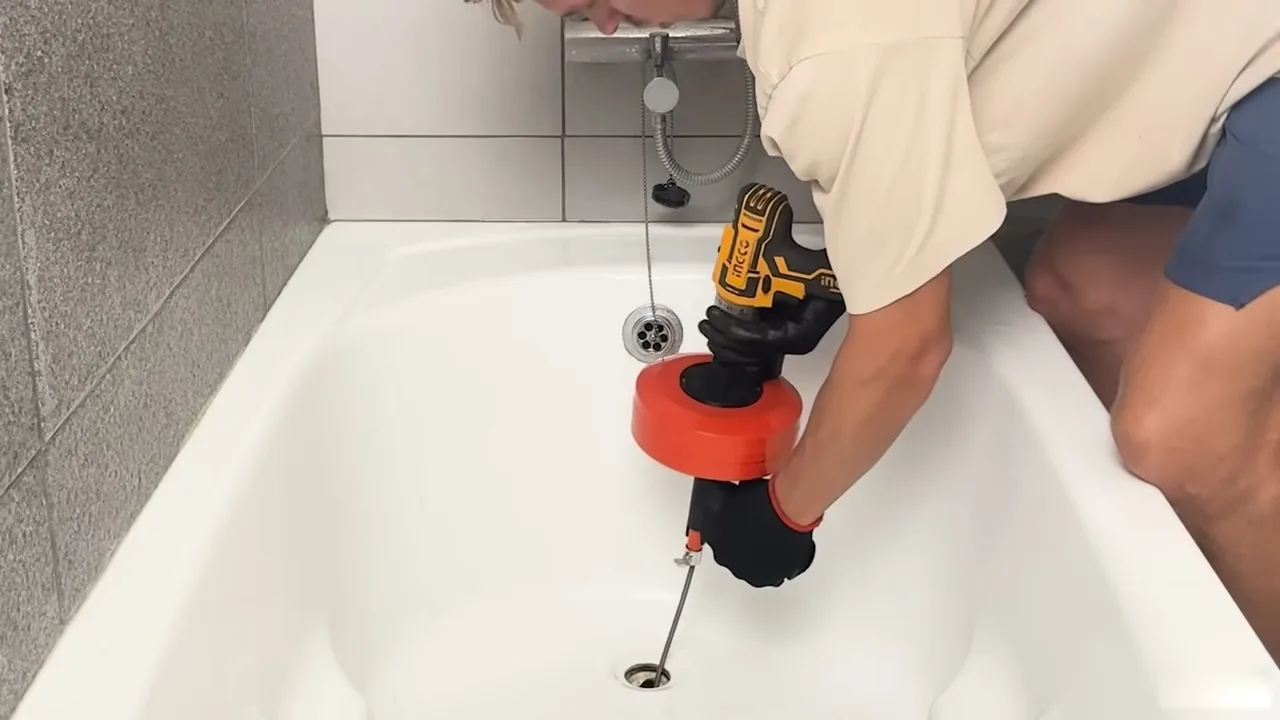
A drain that clogs again within weeks may need hydro jetting
A drain that clears and then clogs again is telling you something. Often the blockage was never removed. A cable can punch a hole through a mass of grease and soap and leave the walls coated. Clog removal that stops there is a short-term fix. Water drains for a few days, then the hole narrows again.
Hydro jetting uses a hose and a nozzle that sends high pressure water in every direction inside the pipe. It scours grease, scale and silt, and it can cut small roots. The result is a clean pipe wall instead of a hole. Some people call it hydrojetting. The work is the same. It also lets the plumber send a camera down afterward to confirm the line is clear.
Jetting is not for every pipe. An old, cracked or collapsed line can break under pressure, which is why a camera look comes first on older systems. Ask the plumber what the camera showed before jetting starts and what the line looked like afterward. If the pipe was damaged, you want to know that now and not after the next backup.
Signs hydro jetting may be the better choice
- The same drain clogs again within weeks of being cleared.
- Grease or soap buildup is the known cause, such as in a kitchen line.
- Slow drains in more than one fixture on the same line.
- A persistent odor that returns after each cleaning.
- A camera shows heavy scale or roots on the wall.
A slow sink or tub usually means buildup, not a broken pipe
Most slow drains are not emergencies. Hair, soap film, grease and food scraps build up on the pipe wall until the opening is narrow enough to catch the next load. The first fix is mechanical: a plunger, a hand auger or a cable that breaks the blockage and pulls it out. Residential drain cleaning rarely needs more for a fresh clog, and blockage removal ends with water running freely again. Some homeowners then ask about unclogging products or regular maintenance, and the advice below applies to both. For a bathroom sink or tub, that often takes a short visit.
The plumber starts by finding out where the blockage sits. Opening the trap under a sink shows whether the clog is local. If the trap is clear, the cable goes into the line behind it. If the cable runs freely and the drain is still slow, the problem may be farther down, in the branch line or the main.
What it costs depends on the fixture, how far the blockage sits and the method. The cost page shows how the method changes a quote. Cleaning that lasts comes from removing the cause, not just the clog. To unclog a drain for good, what to ask: how far the cable went, what it brought out and whether a camera is advisable. What not to do: pour chemical drain cleaners into a standing blockage. They can sit in the pipe, damage some pipe materials and splash on whoever opens the trap next.
Chemical cleaners. Never mix drain products, and do not pour them into a drain that is already full of water. Tell the plumber if you used one so they can wear the right gloves and eye protection.
Water not going down? Call and describe the fixture.
The dispatcher picks the visit that fits the clog.
Is the clog in one drain or the whole house line?
The pattern tells you more than the fixture does. One slow sink usually means a local blockage. Several drains slowing together point to a shared line, and water coming up where it should not points to the main line. Use the table to describe what you see when you call.
| What you notice | What it suggests | Next step |
|---|---|---|
| One sink or tub drains slowly | A local blockage in the trap or branch | Try a plunger, then call if it returns |
| Kitchen sink slow, dishwasher backing up | Blockage past where both connect | Stop the dishwasher and call |
| Two bathrooms back up together | A shared branch or the main line | Call and ask about a camera inspection |
| Toilet bubbles when the shower or washer drains | Partial blockage in the main | Stop using water and call |
| Water or sewage in a floor drain | Main line blocked or backed up | Call right away; see what a failing main line needs |
Whether your house drains to a sewer main or a septic tank is worth confirming. Your bill and property paperwork should say. On septic, a full tank or failed drain field is a septic problem, not a clog, and it falls under county onsite wastewater rules.
Toilet and kitchen sink clogs: what to try and what to stop doing
A toilet that will not flush has a short list of causes. Too much paper, a small object or a damaged trap are the common ones. Use a flange plunger and give it ten steady pushes. If the water drops, it is probably clear. If the bowl rises toward the rim, stop flushing. Close the supply valve behind the toilet and call. For a toilet that keeps clogging, see toilet and fixture repair.
Kitchen sinks clog on grease. It cools in the line, sticks to the wall and collects food bits until the opening is a fraction of its size. A sink with a garbage disposal adds a second possibility, because a jammed or failed disposal can look like a drain clog. If the disposal hums but nothing moves, read about disposal repair before blaming the pipe.
The dishwasher shares the same drain. If it fills the second basin of the sink with gray water, the blockage is past the connection.
Wittmann drain pipe repair when cleaning is not enough
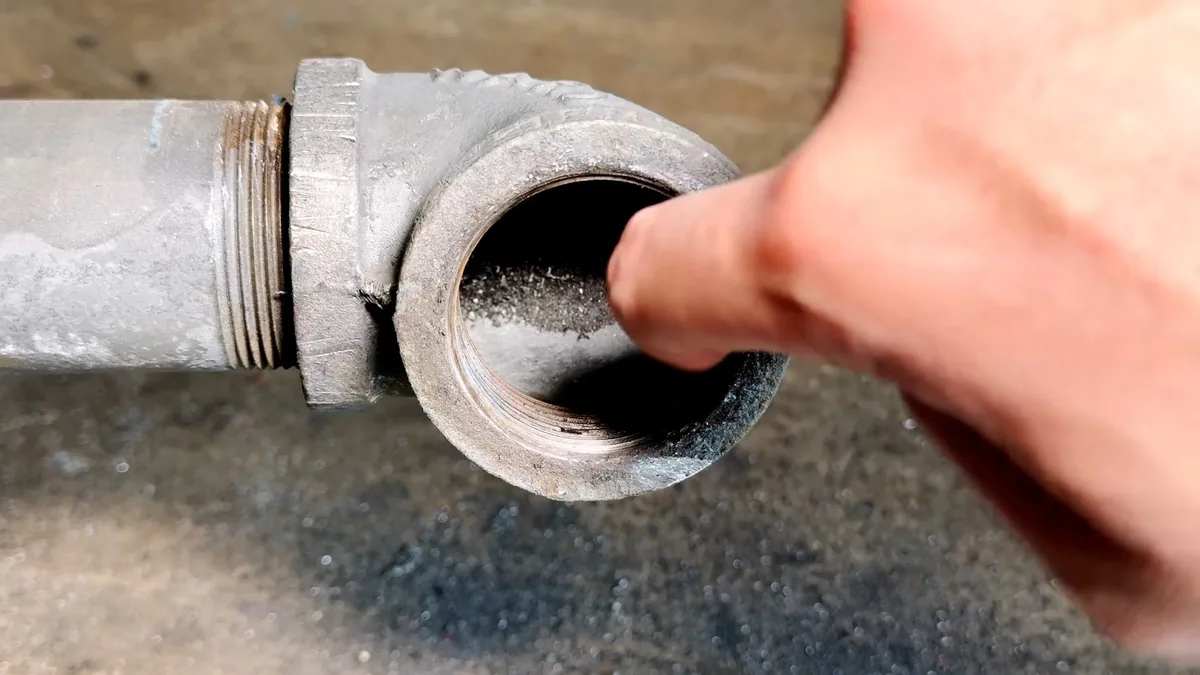
Cleaning fixes a blockage. It does not fix a pipe that is cracked, sagging or collapsed. Signs include a clog that returns every few weeks after jetting, a camera that shows standing water in one spot or a wall of rust flakes. Older cast iron drain pipe corrodes from the inside and sheds scale that catches debris. Clay and fiber pipes can crack or crush under soil load.
When the camera shows damage, the plumber describes the options. A short failed section can be cut out and replaced. A longer run may call for relining or replacement, which the sewer line page explains for the main. Ask for photos or a video clip of the damage so you can see what you are paying to fix.
A drain pipe can also leak, which shows as a stain or damp spot, not a backup. Drain leak detection and repair start with a camera and a water test. A repair is a bigger decision than a cleaning. Take time to understand the scope, the opening and the restoration. Ask whether the plumber expects other sections to fail and whether a plan for them makes sense.
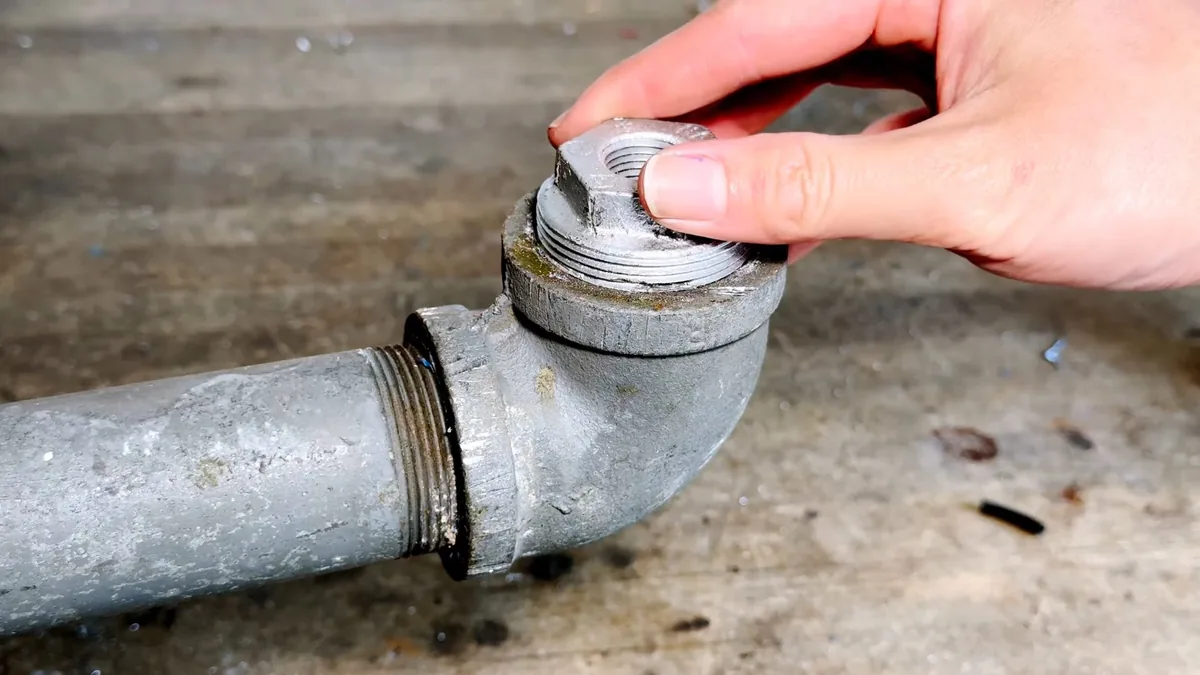
Snaking and rooter service in Wittmann: what the cable does
Rooter service is the older word for a cable machine. A motor spins a coiled steel cable with a cutting head, and the plumber feeds it into the pipe until it meets the blockage. The head cuts through roots and breaks up compacted waste. It is the right tool for a stoppage that is fresh, local and soft.
The plumber chooses the cable by the pipe: a small cable for a sink or tub, a larger one for a main line. Tell the dispatcher what is backing up and where the cleanout is, if you know. For a mainline clog, a cleanout lets the plumber start at the main without removing a toilet. A cleanout is a capped pipe outside the house or in a garage that gives direct access to the main. Finding it ahead of time shortens the visit.
Tree roots deserve a separate mention. Roots enter at joints looking for moisture, and a cable only trims them. If roots return every year, a camera look and a plan for the joint make more sense than a standing annual snake.
Also worth knowing: floor drains in garages, laundry rooms or a basement clog on lint and silt. Persistent odors from a drain, despite cleaning, often trace to a dry trap or a vent, not a blockage. A bathtub or shower drain that smells after cleaning deserves a camera look too.
Drain backing up right now? Call the dispatch line.
Say which fixture and whether water is spreading.
Six drain questions, answered
When should I stop plunging a slow kitchen sink and call a plumber?
Stop when a plunger clears it for a day and it slows again, or when water rises in the second basin. Those are signs the blockage sits past the trap. What can wait: a single slow sink with no smell and no other slow drains. What cannot wait: water that backs into a second fixture, gurgling in a toilet when the sink drains, or any sewage smell. Skip chemical cleaners at that point, because they sit in the pipe and make the plumber's job harder.
Is hydro jetting better than snaking?
Start with what you can see. If the drain clears and clogs again within weeks, a cable has probably poked a hole through the blockage without removing it. Jetting uses high pressure water to scour grease, scale and silt off the pipe wall, so the line is actually clean. Snaking is quicker and fine for a fresh clog, a hair mat or a toy in a toilet. A camera look first helps decide, because jetting an old or cracked pipe can do harm.
What does snaking a shower or toilet drain involve?
There are two options, and each suits a different case. A hand auger is a short, flexible cable turned by hand. It fits a toilet or tub and keeps the fixture clean. A machine cable is longer and stronger, fed in through a cleanout or vent. It is the choice for a line past the first bend. The plumber starts with the lighter tool and moves up. Either way, you should be shown what came out, so you know whether it was hair, paper or a sign of a damaged pipe.
What causes water to pool in the yard near the foundation?
The usual cause is that surface water has nowhere to go, not that a plumbing drain has failed. Yard grading, roof runoff, a clogged gutter outlet or a broken irrigation line can all send water toward the house. A French drain or storm drainage system is a separate trade from drain cleaning. A plumber can tell you whether the water is coming from a pipe, and an excavation or landscaping contractor handles the drainage design.
What happens if I keep running water into a sink that will not drain?
Begin with where the house drains. Some homes outside town limits are on a sewer line and some are on septic, which the county regulates. If you are on septic, a sink that will not drain is not always a pipe problem, since a full tank can back up the whole house. Stop running water, check whether other drains are slow and tell the dispatcher what type of system you have. Keep the sink empty and the stopper out.
Why does the same drain keep clogging?
Recurring clogs have a cause, and a checklist narrows it down. 1. Is it always the same fixture? That points to a local problem like a worn trap or grease. 2. Does it follow heavy use, such as laundry day? That points to a narrow or scaled line. 3. Has anything slow appeared at the same time? That points to a shared line. 4. Does it smell? That suggests a vent or a cracked pipe. One caution: repeating a cable run without finding the cause just resets the clock.
What helps the plumber before the visit
A backup that reaches a second fixture or the floor is urgent, and the dispatcher can tell you whether today is realistic. A single slow sink can usually wait for the next opening. Clear the space around the fixture and the cleanout. Note which drains are slow and which are fine. If you can, note when it started, such as after a heavy meal, a long shower or a load of laundry. Keep the stopper out and stop adding water. Dispatch can take all this by phone.
Call (623) 323-3182 at any hour.
Ready to clear it? Call the dispatch line.
Day or night, someone answers.
- Licensed and insured plumbers
- Same-day service when available
- 24/7 emergency dispatch
- Licensed and insured plumbers
- Same-day service when available
- 24/7 emergency dispatch